Aggiungici alle fonti preferite.
Satriano of Lucaniait is a characteristic village in the province of Potenza capital of the "Valle more painted in Italy"And since 1988"Italian capital of Murals". The streets and squares of the center are embellished and colored by beyond160 works, increasing every year. In this guide you will find 10 useful tips on what to see in Satriano.
The village in the past was known asPietrafesa until the 1887, the year in which the administration decided to change the toponym in Satriano, to strengthen the historical link withSatrianum, the ancient town not far away of which only the ruins and theTower. Of Lucania was added to distinguish it from another municipality of the same name.
1. The Historic Center of Satriano
The center of the ancient Pietrafesa develops on the slopes and the slopes of three rocks: theCastle, the Pieco and the Madonna della Rocca. Hence the name Pietrafesa oPietrafixa, that is, stone (rock) split. At the foot of the three ribs the stream flowsMelander, which gives its name to the homonymous valley. The village was crossed by the ancientvia Herculeathat connected thevia Traiana and the via Pompilia.
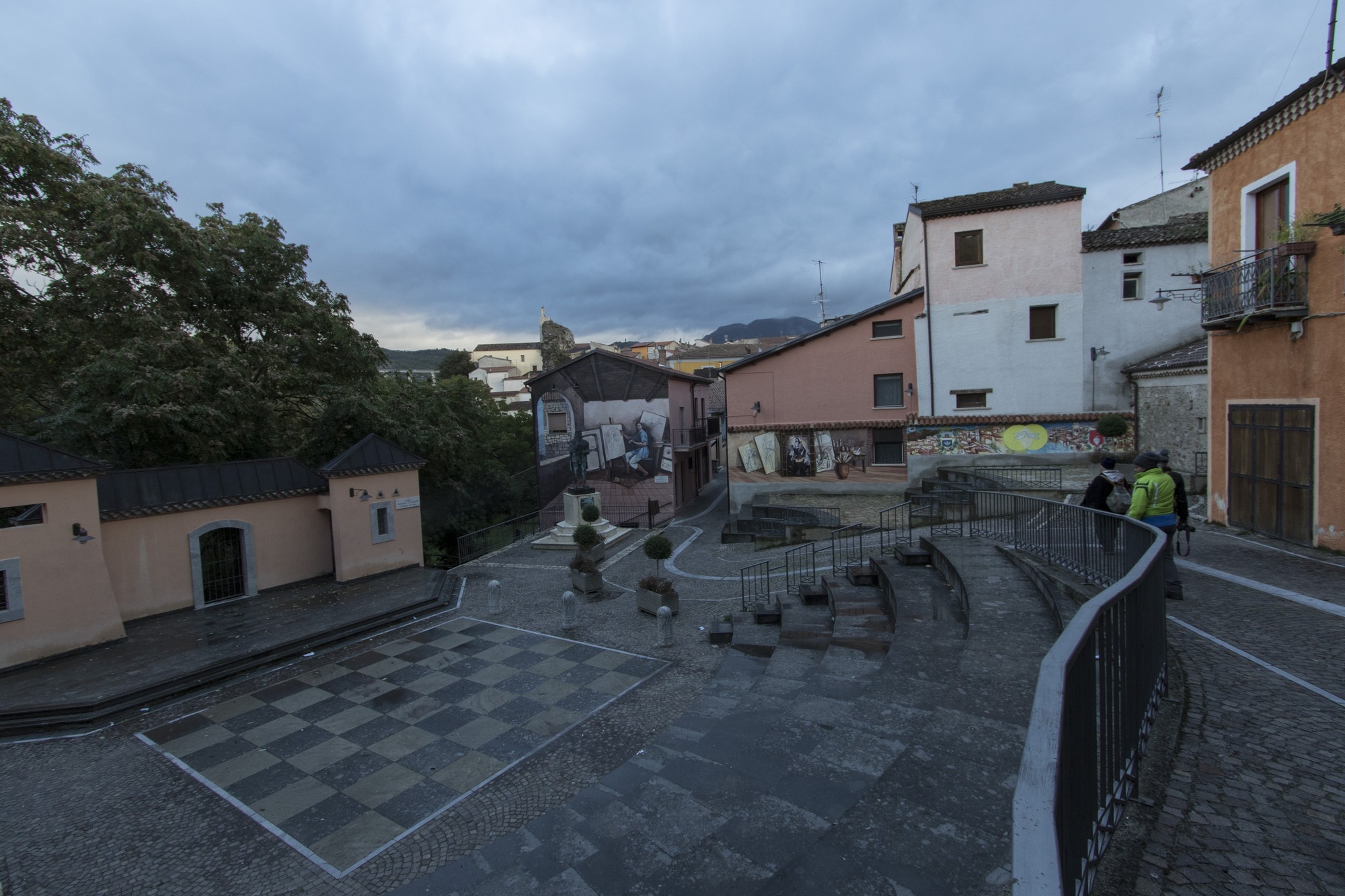
The castle, recently restored, is now known asRocca Duke of Poggiardo. Inside you can visit the Multimedia Museum and the Municipal Library "Carolina D'Araio“. At the foot of the castle is located theporticle Amphitheater, built in 2006, which presents a human -size chessboard in the center. Not far away is the siteanzani Theater, an interesting cultural center where conferences, theatrical reviews, book presentations and events are held. On the "roof" of the theater is locatedGaribaldi Squarewhich hosts a mosaic depicting the image ofGodof the local painterGiovanni de Gregorio, said the Pietrafesa(please refer to the dedicated paragraph).
The historic center of Satriano hosts some noteworthy buildings built in different eras:
- loreti Palace, built in the 16th century, is an ancient building that belonged to a rich eighteenth -century family. Today, in addition to being the seat of the Town Hall, it hosts theMuseum of Rural Civilization and the Antique Satriano Archaeological Museum;
- palazzo Pignatelli, built in 1542, which presents a valuable portal;
- formerPalazzo Abbamonteof the seventeenth century, which has now become a wide through a recovery intervention. The main facade with two stone barbacans, the ancient portal and its walls, the arch and the interior stone well were recovered from the old structure in the courtyard, two windows, two pilasters and two putti.
2. The Churches of Satriano di Lucania
The numerous churches present in Satriano testify to the history of the village for several centuries. Over time, some of these have disappeared, others are perfectly preserved:
- santa Maria Church of Constantinople, built between theXII and the XIIIcentury and renovated after the earthquake of1980, affectionately called by the Satrianese "old church“, characterized by a medieval square tower (the bell Tower) and an interesting wooden attitude;
- mother Church San Pietro Apostolo, reconstructed in the 1950s, has a remarkable fan ceiling. The bell tower of the church, 33 meters high, was designed by the then bishop of SatrianoJuan Caramuel y Lobkowitz;
- church of the Madonna della Rocca, built on the rock of the same name, was originally dedicated toMadonna della Nativity;
- church of San Giovanni Battista,which preserves the frescoes made in the1626fromGiovanni De Gregorio;
- madonna Delle grazie Sanctuary, located in the locality of the same name;
- chapel of San Donato, which houses the icon of the Holy Bishop and other wooden statues.
3. The Tower of Satriano
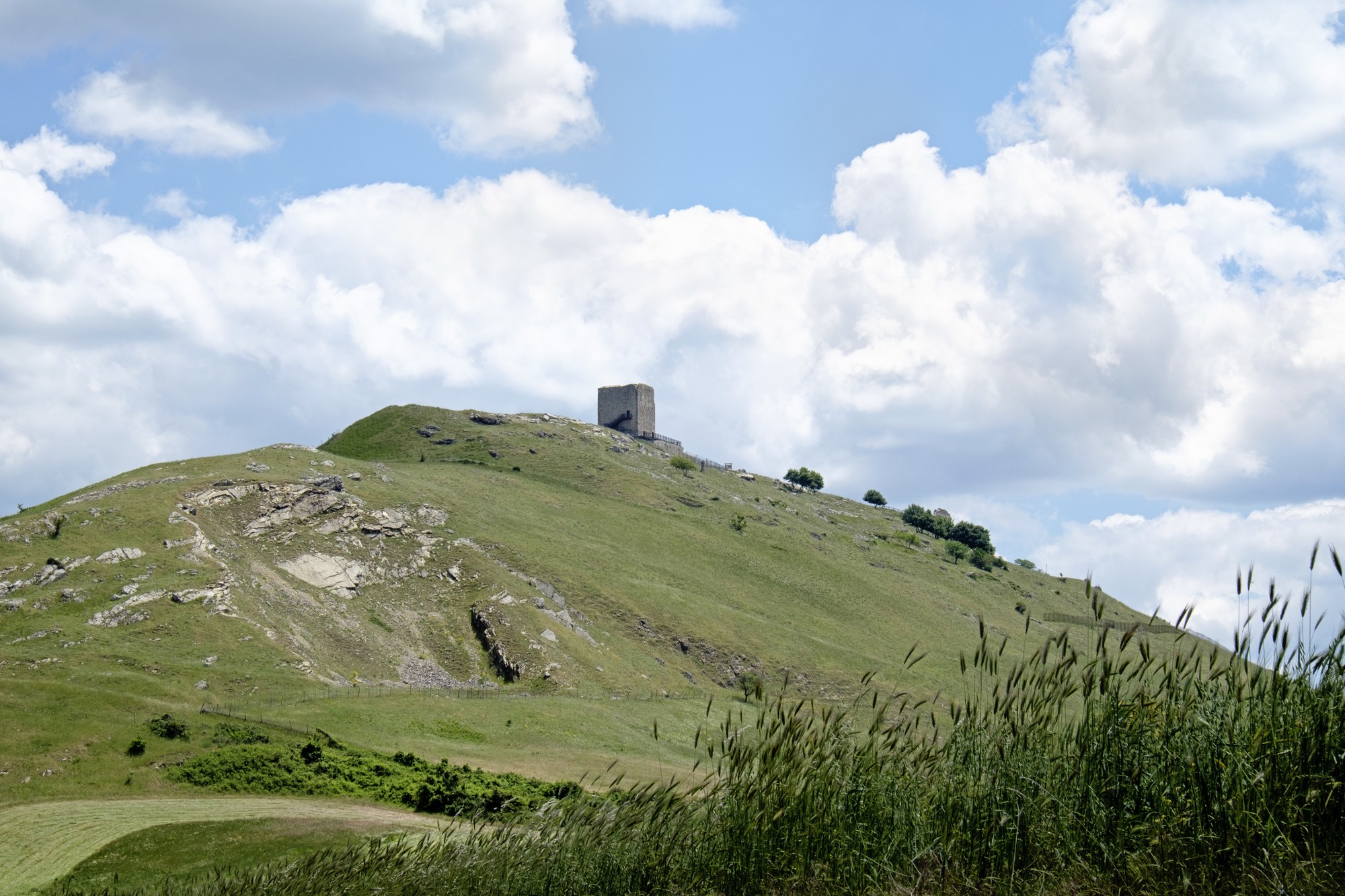
In the surroundings of the current Satrian of Lucania, on a hill it is possible to visit the ruins of the ancientSatrianum, important roccafortenormanna and bishopric, abandoned starting from1477. The ruins currently visible include two walls, two villages with residential buildings, a church with attached cemetery, the remains of thecathedral of Santo Stefanoand of course thenorman tower, built inXIIcentury. ThereTorre di Satriano, within which a multimedia museum dedicated to the discoveries and cultural heritage of the territory has been set up, has now become a symbol of belonging for the Satrianese. starting from1966several excavation campaigns have brought to light numerous finds of different eras, some dating back to thebronze Age. It is possible to admire the archaeological finds of the ancient Satrianum at the Archaeological Museum of Satriano di Lucania or at the National Museum "Dinu Adamesteanu”Of Potenza.
4. Giovanni de Gregorio, called the Pietrafesa
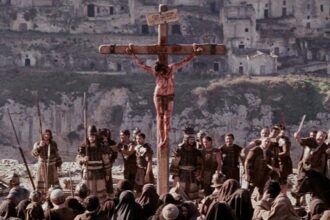
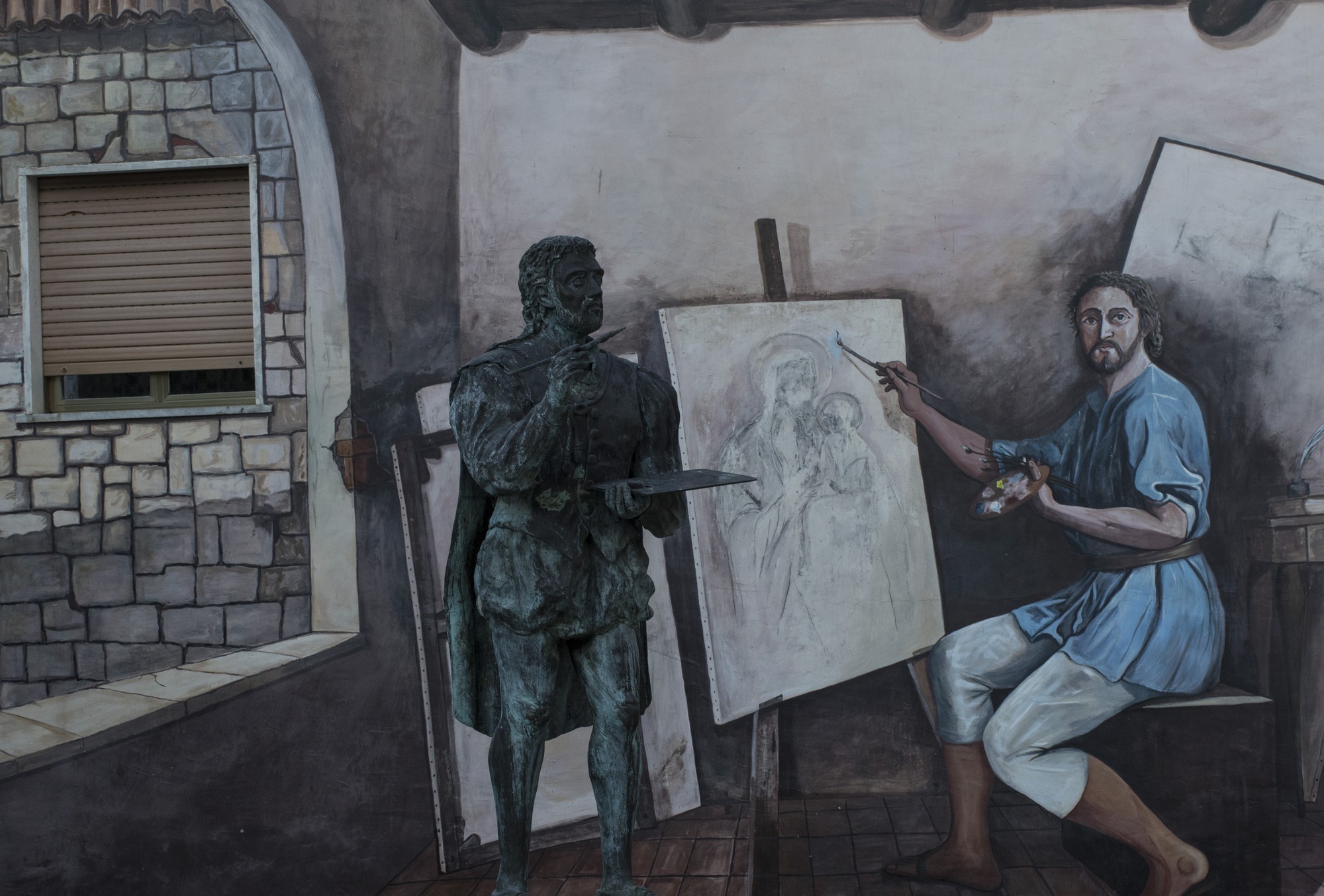
Giovanni De Gregoriowas born in1579or 1580 aPietrafesa. In the1595the neapolitan painterFabrizio Santasedebottega the young Giovanni after an agreement taken withGregorio de Gregorio, father of Pietrafesa. He was active throughout the Kingdom of Naples between 1608 and 1653, year before his death, which occurred in 1654Pietrafesa was the greatest exponent of the lucanian mannerism and is best remembered for painting Madonnas for churches, thanks to his innate ability to render their faces innocent. Inside the Duke Of poggiardo Fortress there is a multimedia museum dedicated to him, called "The Stage of Colors”, which reconstructs the artist's artistic journey through the high-resolution digitalization of all his works. Near theporticle Amphitheater a statue stands depicting Giovanni de Gregorio, work of the artist from Satria Luciano La TorrePietrafesa is also the subject of several murals in the historic center, depicting various stages of his life.
5. The Murals of Satriano di Lucania
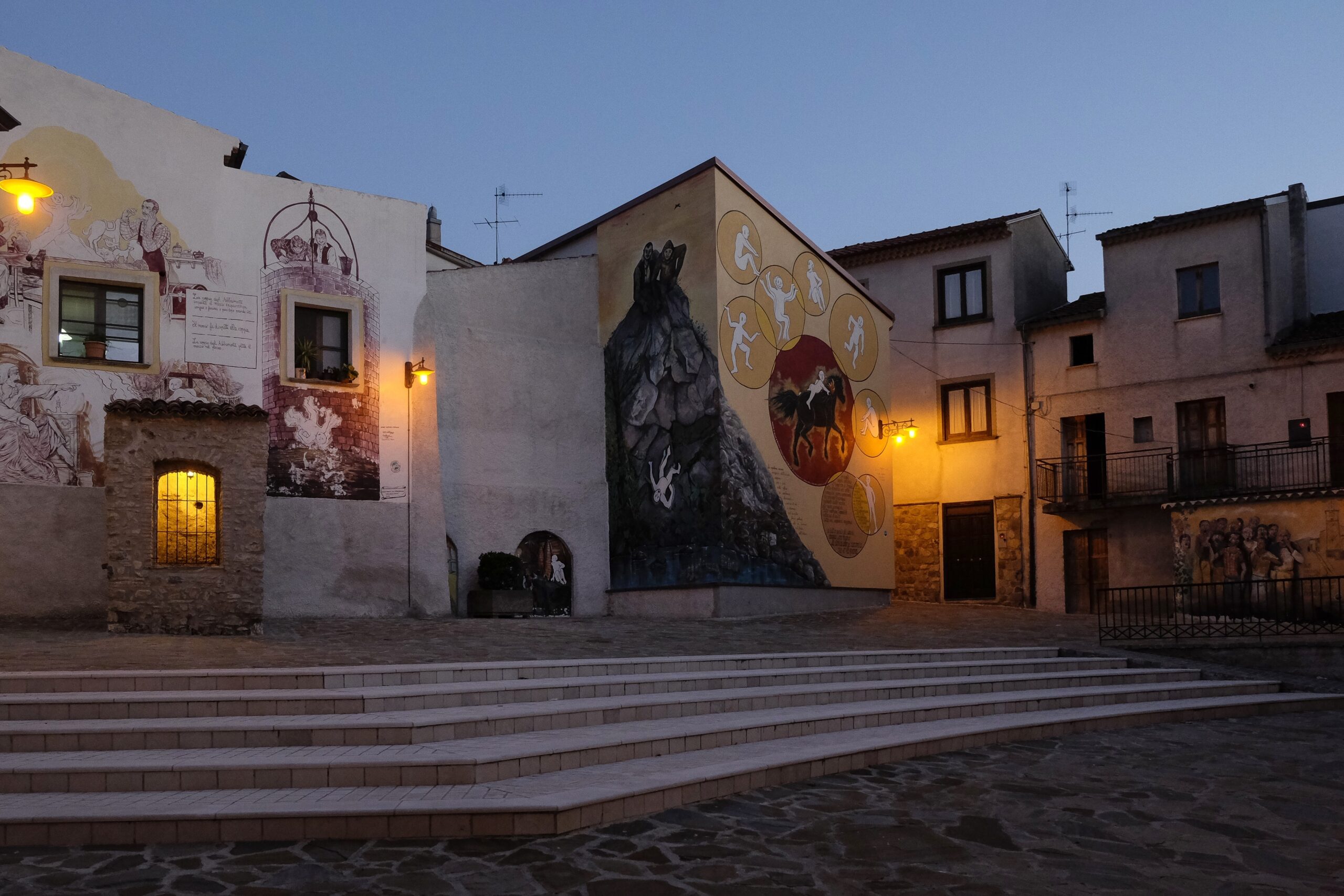
The idea of the Murales was born in the first half of the 1950s '80 from an initiative of the administration that wanted to relaunch the attractiveness of the village following the disastrous earthquake of 1980The very first mural in Satriano di Lucania depicts a Byzantine-style Christ the Sower set against the backdrop of the Satriano countryside.
The two associations that contributed most to the creation of the Satrianese Murals are ARPEC – Art To communicate association, coordinated by art critics Marisa Russo, and later Art For The Valley, founded by Luciano La Torre, which continues the experience of the past.
The mural-making techniques of Satriano di Lucania are among the most innovative and guarantee the quality of the works will last over time. The themes covered are varied: from ancient crafts to magical beliefs, from traditions to moments in the painter's life. Giovanni De GregorioToday, the village boasts more than 160 paintings by artists from across the peninsula, which have helped make Satriano one of the most artistic villages in Italy.
6. The Carnival of Satriano
The jewel in the crown of the Lucanian village is without a doubt the suggestive Carnival of Satriano, an ancient popular festival that takes place on the Saturday and Sunday before Shrove Tuesday. The village's three typical masks that parade during the Carnival days are: the Rumita (hermit), entirely covered in ivy; theUrs' (bear), covered with sheep or goat skin and the Lent, a woman dressed in mourning. Added to these is the zita's procession, characterized by a role exchange among all participants. Over the years, this traditional festival has undergone various changes, ranging from themes of emigration and the return to the native land of the 19th century. '80 and '90, until it becomes the spokesperson for ecology by approaching the figure ofRumitato that of the man-tree of the latest editions. From the2014in fact, taking inspiration from the cine-installation "Trees"Of Michelangelo Frammartinopresented toMoma of New York, comes to life "the walking forest", Consisting of 131 tree men, one for each country of Basilicata. The Carnival of Satriano is included in the list of "Historical carnival"Of Italy, by decision of the Ministry of Cultural Heritage.

7. The patronal feasts of Satriano di Lucania
The Ferragosto period in Satriano di Lucania corresponds with the patronal holidays:
- the Aug. 13it is celebratedSaint Lucia; despite the liturgical memory of the holy syracusan, the13 december, the solemn celebration was relocated in August to connect it with the other holidays;
- theAugust 14ththe satyse people rememberSan Donato d'Arezzo, bishop and martyr. In the morning a mass is celebrated in the church dedicated to the saint, followed by the transfer of the simulacrum tomother church. In the afternoon a procession brings the sacred image to his church, allowing the faithful to address a greeting to the protector of the sick and the elderly;
- the day ofFerragostothe feast of theMadonna Assunta, whose statue is preserved in thechurch of Santa Maria di Constantinople. At 11 at themother churcha solemn mass is celebrated following which the statue of the madonna Is brought to procession through the streets of the town until returning to theold church;
- theAugust 16thSatriano celebrates hisPatron Saint, San Rocco da Montpellier. During the day, several masses are celebrated at the Mother Church; At the end of the second, children dressed in San Rocco are blessed, ivotive beltswhich will be brought to procession and the musical band. We therefore reach the solemn mass celebrated by several priests and which anticipates the release of the saint in procession. The statue, accompanied by the faithful, the belt and the band, therefore begins the procession through the streets of the village. Once in Piazza Garibaldi, the “invisible fires", Which celebrate the glory of the humble saint and pilgrim and must not be a source of entertainment for men. Later the procession starts again along via San Rocco and turning around themother churchThen to stop at the center of the altar to allow all the faithful to pay homage to the simulacrum of the patron saint until midnight.
The statue of San Roccoit was made by the seventeenth -century sculptorGiacomo Colombo.
The religious celebrations are accompanied by the civil ones: in fact, everything is animated by parties and artistic events. Among the most important events we remember "Music in progress”, “For the ancient streets of Pietrafesa"And the"Lucania Ethno Folk", In addition to the concerts of national artists in the evenings of15 and the 16.
Another noteworthy party is that in honor of theOur Lady of Gracethat theJuly 2ndof each year. During the day two processions take place in the sanctuary area, and in the evening the celebrations continue with music, stands and fireworks.

8. The Flower Bosco and the lakes
Not far from the inhabited center, about a thousand meters of altitude in theLucanian Appenine national Parkthere is theBosco Rowith its three lakes. In the greatest of these it is possible to practice sport fishing, spending a day in the middle of nature in the picnic area adjacent to the pond.

9. What to eat in Satriano
The satrianese cuisineis linked tolucanian tradition, therefore purely rural: handmade pasta, seconds of meat, soups and typical desserts abound on the tables of the Satrianese. The main dishes of Satriano's culinary culture are:
- 'u lepr' chin '(filling rabbit), prepared on the day of San Rocco as per tradition;
- the Lamb at the Satrianese, accompanied by potatoes and cruschi peppers;
- 'A pizza chiena satrianese, made with bread paste stuffed with eggs, salami cheese

10. Where to sleep in Satriano di Lucania
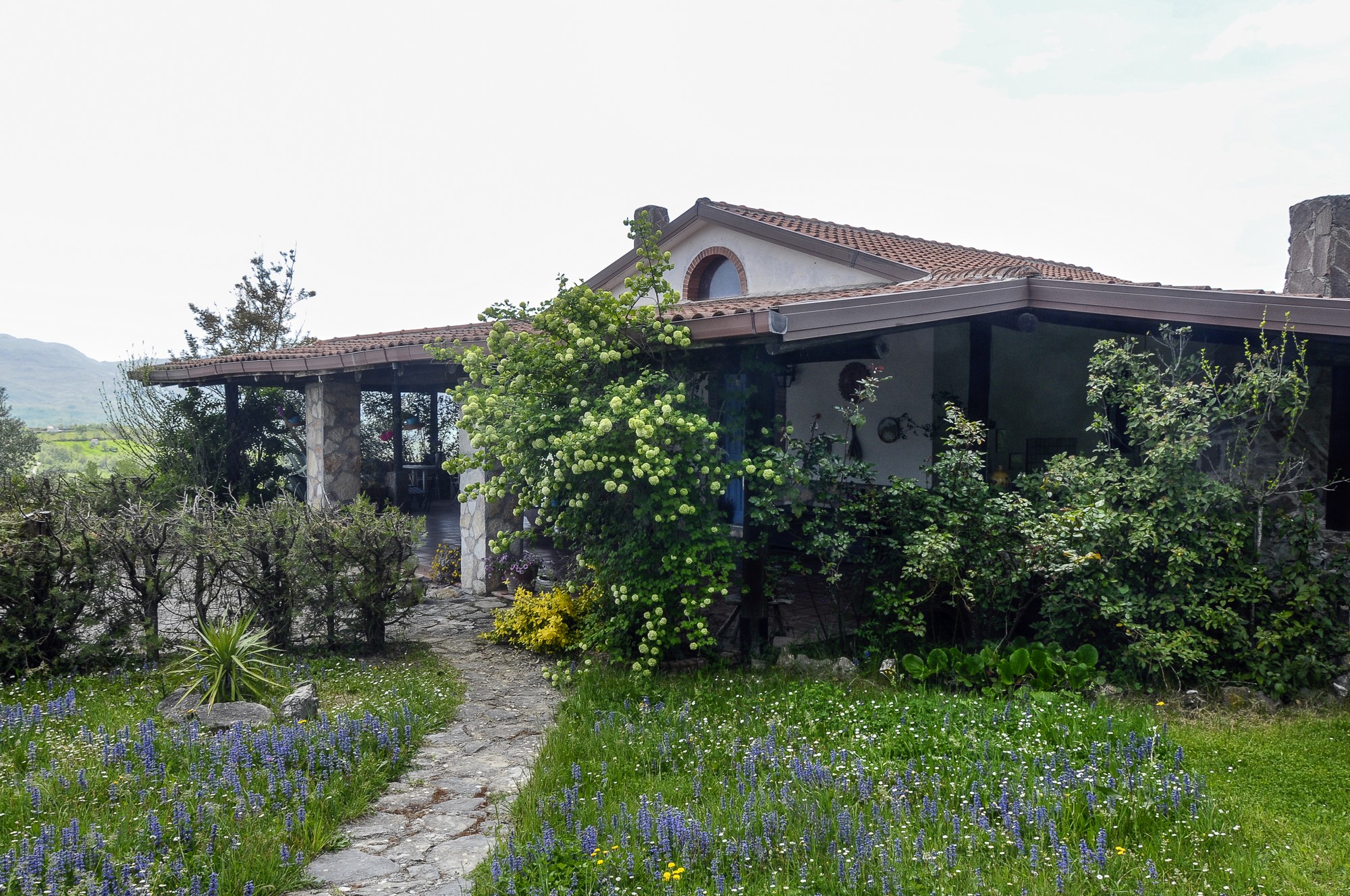
The Satrianese accommodation offer is exclusivelyextra-hotel(Holiday homes, B&B, Affittacamere and Farmhouses). It is possible to find these structures both in the historic center and in the open countryside, such as theB&B Rifugio della Luna.